Day 8: Back to Boston

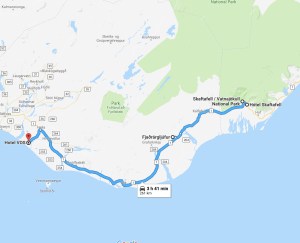
Hotel_VOS_to_Keflavík_International_Airport_-_Google_Maps [This post is part of a series documenting my last trip to Iceland in October 2017. The previous post is here and this is the final post.]

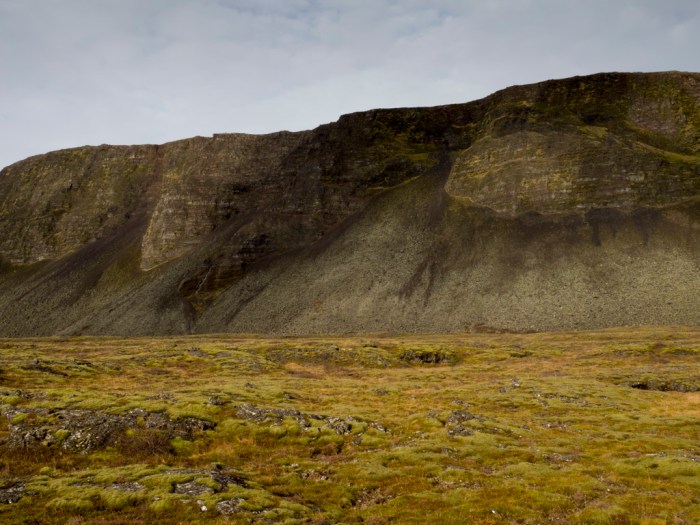
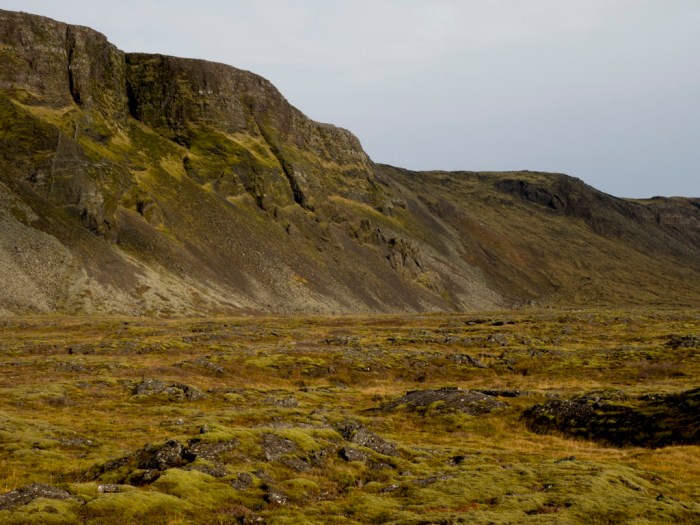
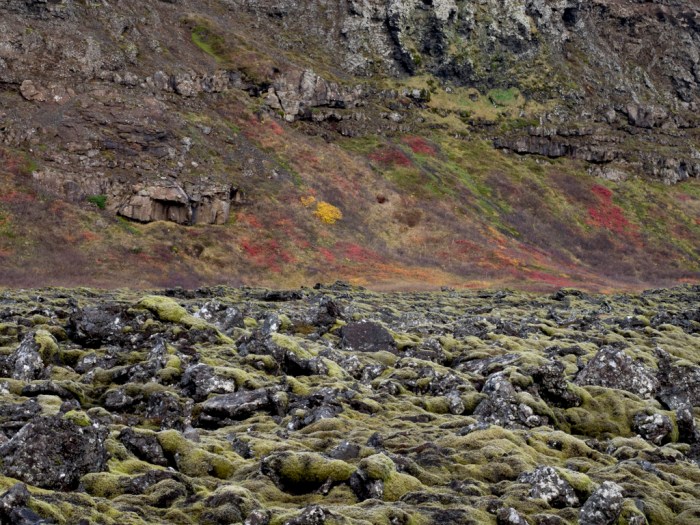
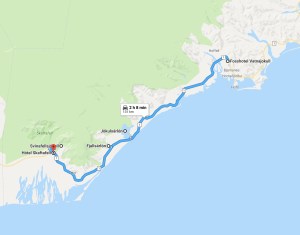
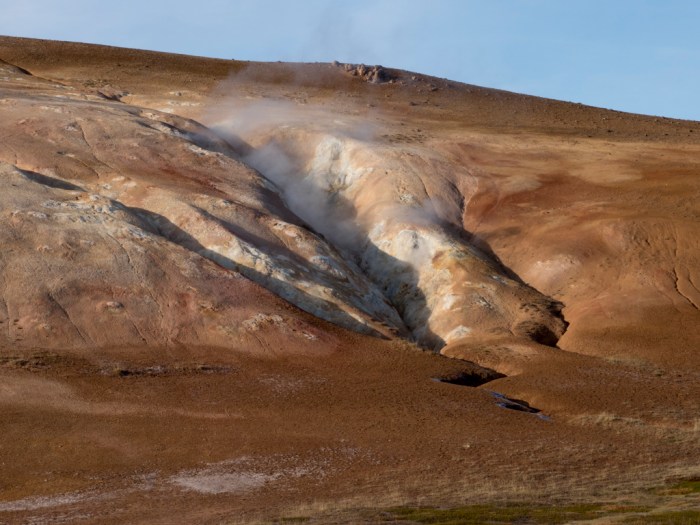
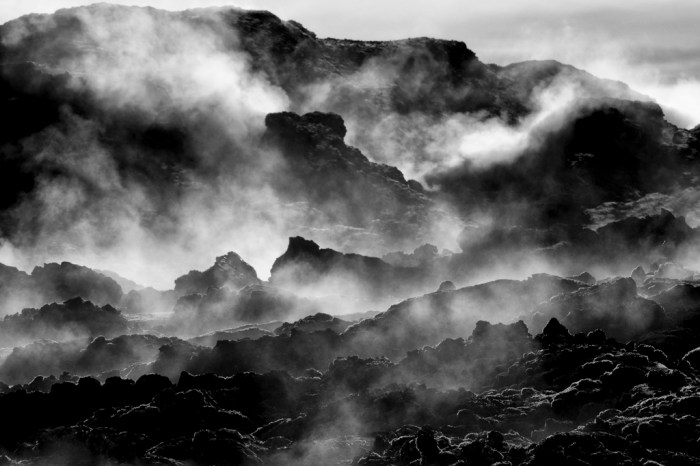
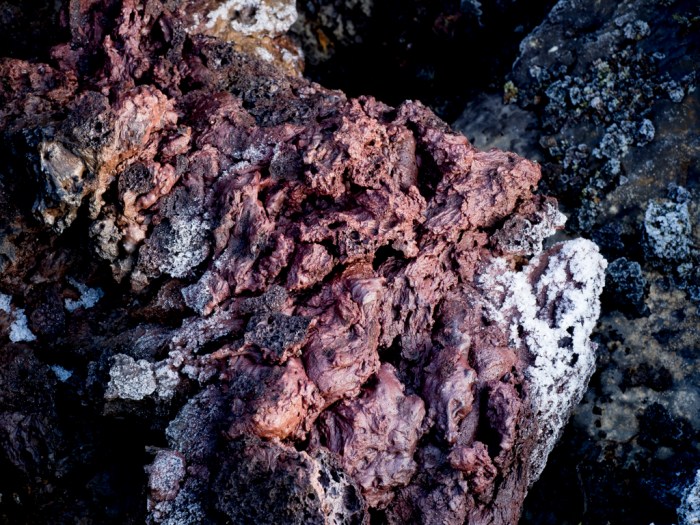
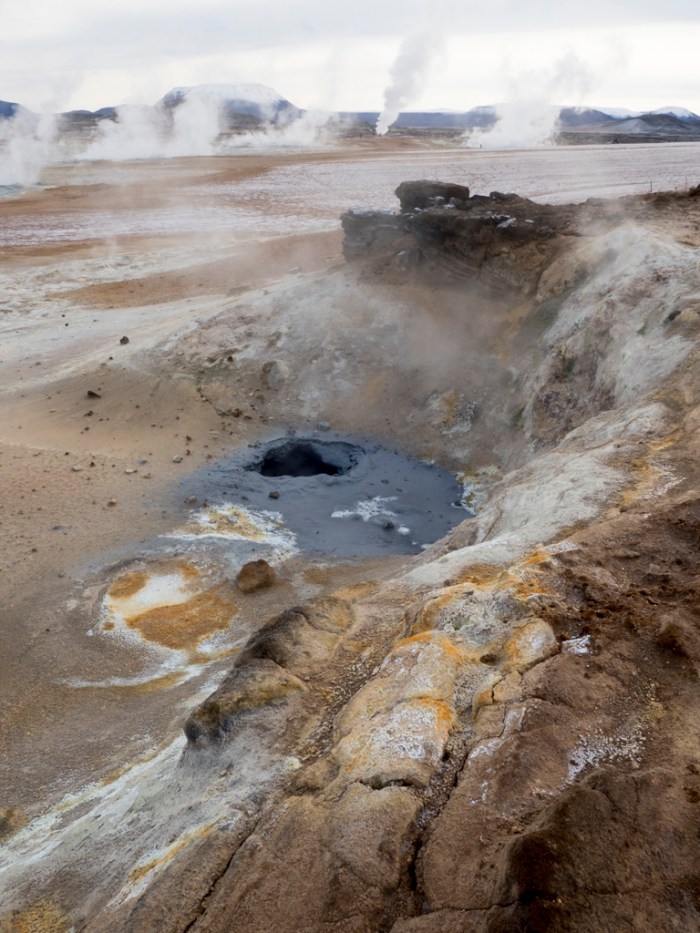
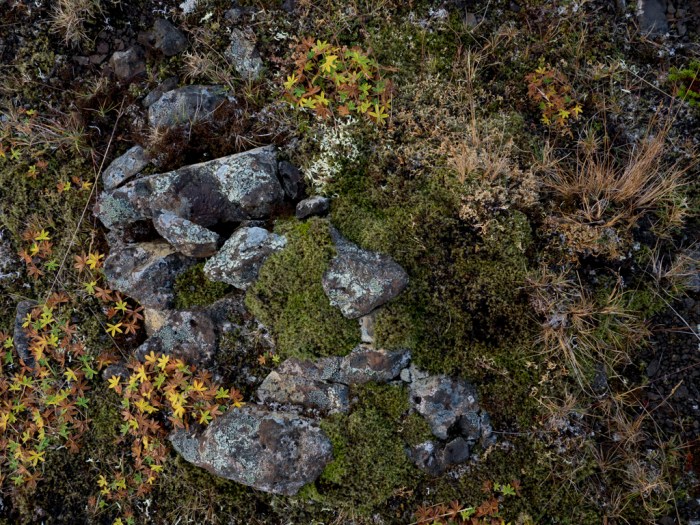
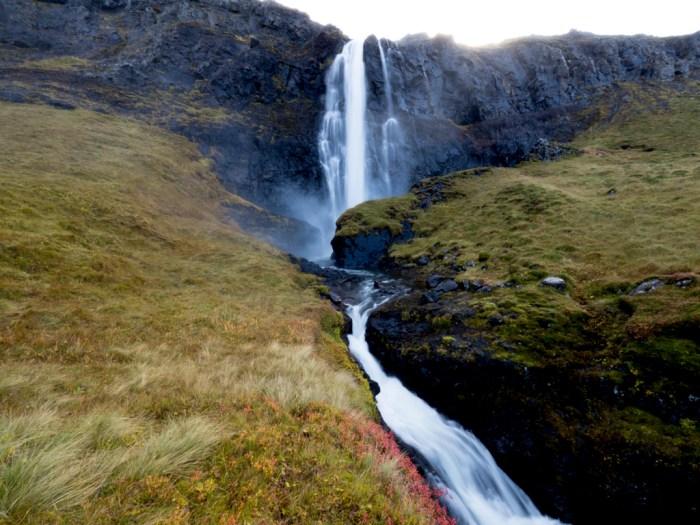
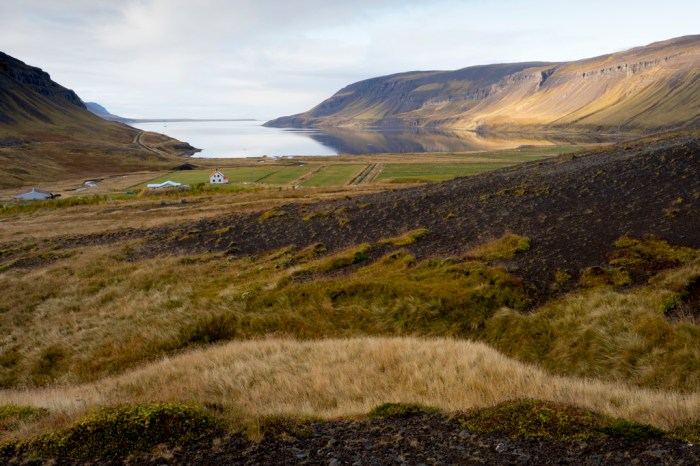
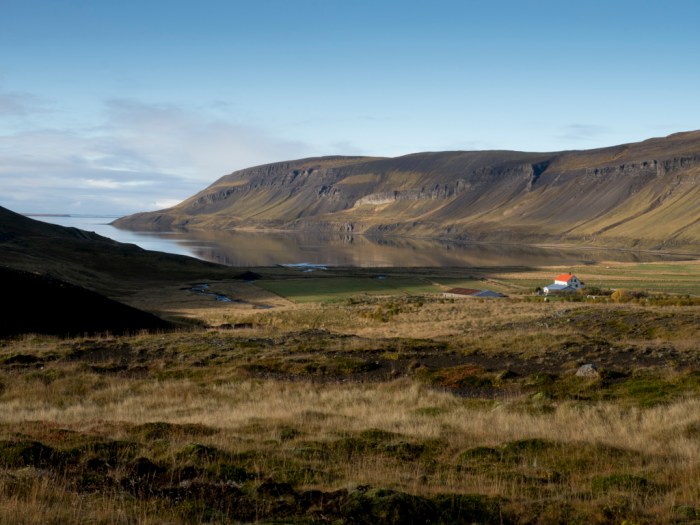
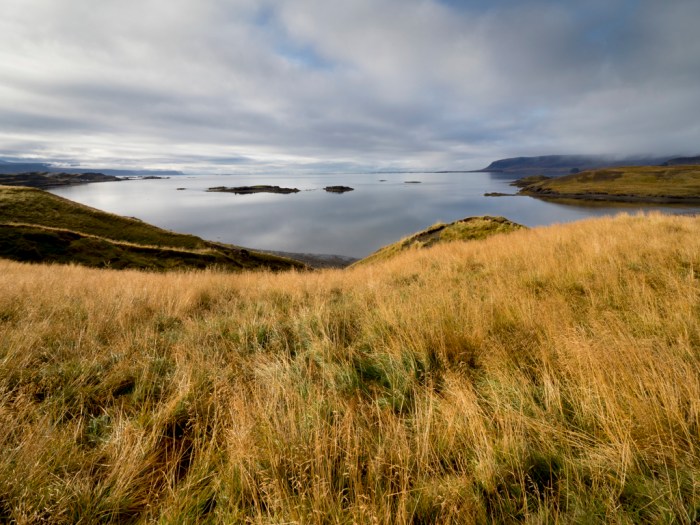
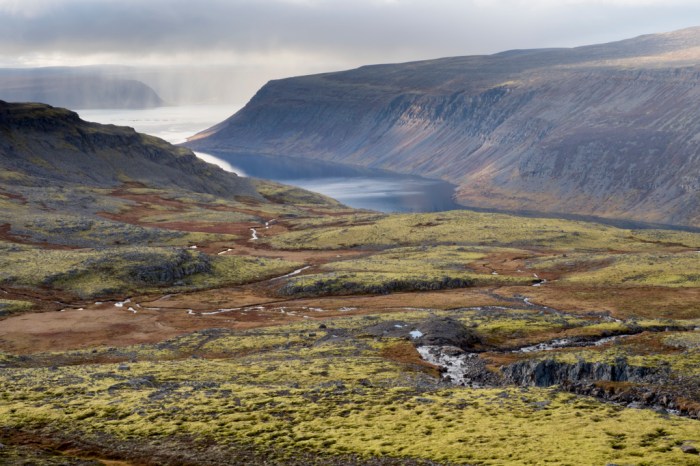
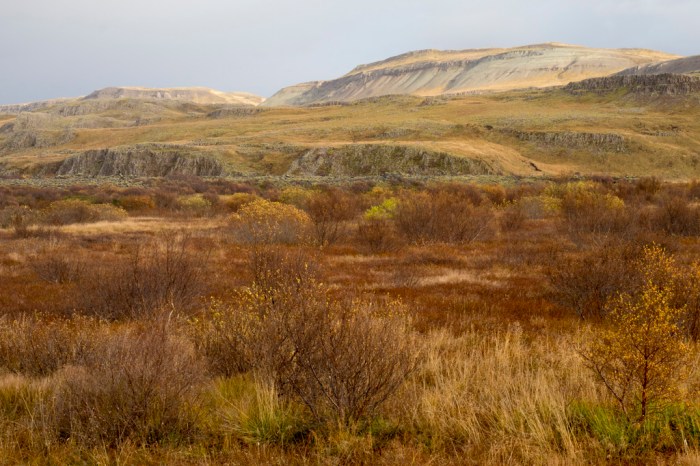
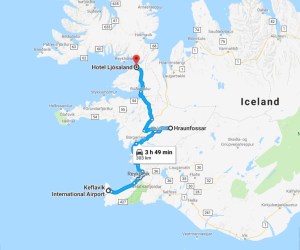
One of the reasons I chose Hotel VOS was because it would be convenient to return to KEF via a coastal route so I could pass through a different part of the Reykjanes Peninsula than previously. It is, after all, a UNESCO Geopark. Unfortunately, I didn’t have enough time to explore, but I saw enough that I will want to make time on my next trip to visit some of the 55 identified geosites in the park.

rg-1

rg-2

rg-3

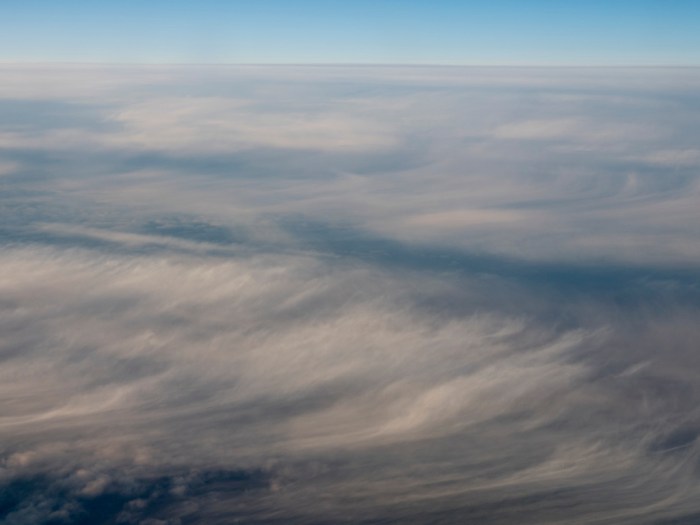
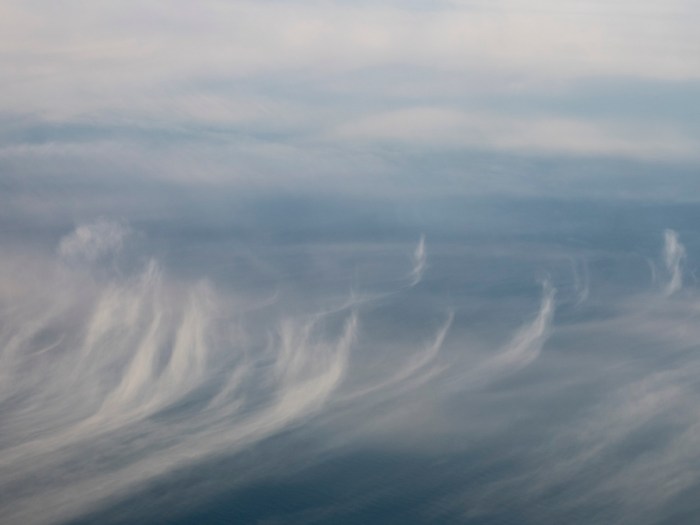
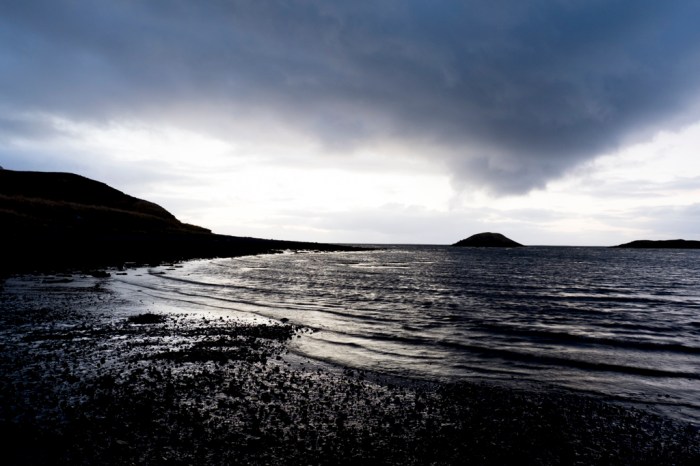
And some interesting cloud patterns from the airplane on my way back to Boston.

cc-1

cc-2

I’ve started planning my next trip — the Highlands!


Day Seven: Glacier Walk and Ambling West

Hótel_Skaftafell_to_Hotel_VOS__Þykkvibær__Iceland_-_Google_Maps[This post is part of a series documenting my last trip to Iceland in October 2017. The previous post is here and the next post is here.]

This morning I woke up in my room at the Hotel Skaftafell after having a nice vegan chili for dinner and spending the day shooting ice-related scenery. The plan for today was to repeat a guided glacier walk on Svinafellsjökull that I had taken a few years ago and then continue west, back towards Keflavik airport and my flight back to Boston tomorrow.

But first, I opened the curtain in my room to the view below. How awesome is that? I’m not sure, but I think those peaks may be Hvannadalshnúkur and Öræfajökull. The first is the tallest peak in Iceland and the second has the dubious distinction of being in the local news recently for what seems to be an active magma buildup, which may or may not lead to an eruption at some point.

hs-1.jpg

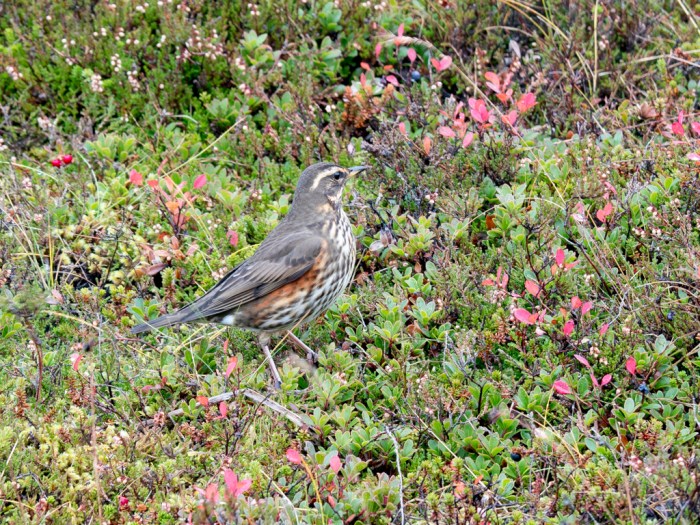
Much closer to my window, I saw this guy — a Redwing. These are generally not seen in the USA, but according to the Icelandic Bird Guide by Jóhann Óli Hilmarsson, they are common in Iceland.

rw-1.jpg

I used Icelandic Mountain Guides for my glacier walk, the same company I had used earlier. I like them, though I enjoyed my first, more nature-oriented guide a bit more than the guide for this walk. He was fine, but I prefer facts and history to the more typical patter for tourists. In any case, the tour left from the parking lot of the Skaftafell Visitor Center, from where we took a bus to near the base of the glacier.

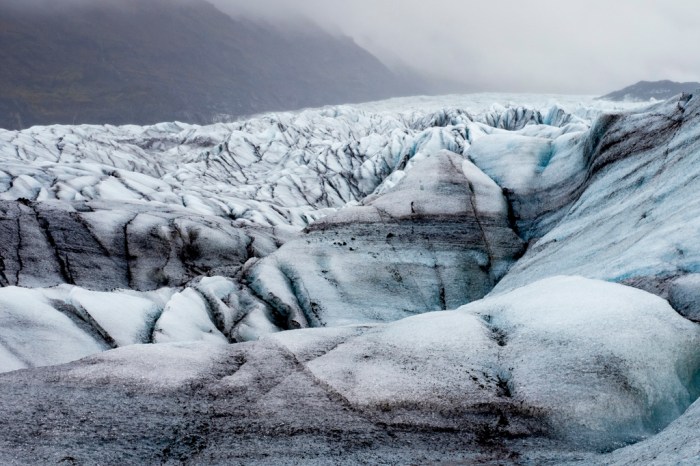
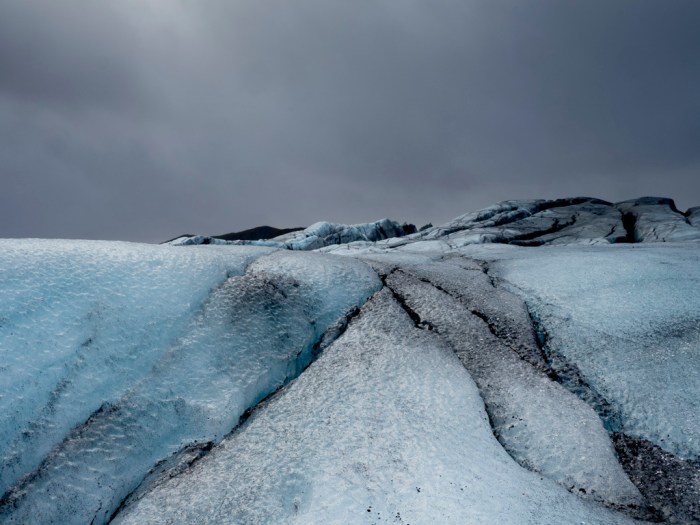
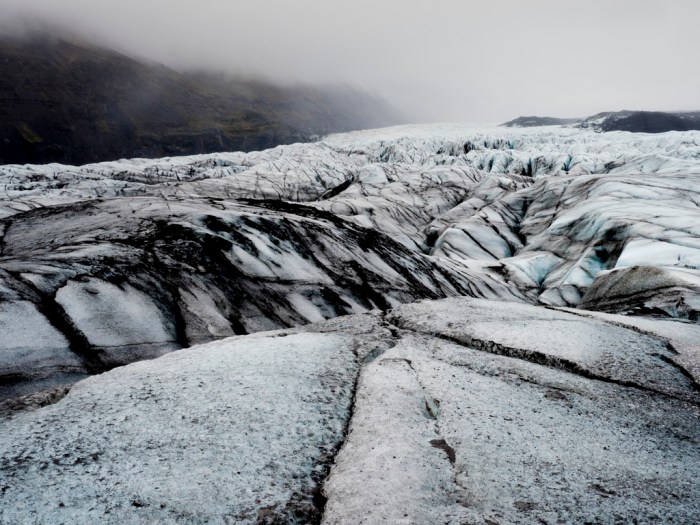
It was drizzling when we started our walk. While the rain eventually stopped, the day never cleared. Here are a few photos.

svj-1

svj-2

svj-3

I’ve become accustomed to recognizing Svinafellsjökull in the background on TV and in movies, most notably the ice planet in Interstellar and many of the Game of Thrones scenes from North of the Wall. Still, it was fun to be shown exactly where specific scenes were shot, like the one in which Jon Snow tries to return Jorah Mormont’s family sword to him — it was exactly where we donned our crampons for the walk.

Leaving the area, I drove west on the Ring Road, crossing  Skeiðarársandur and then soon after passing through Kirkjubæjarklaustur (I didn’t have to mention that, I know) I took a right turn, heading to Fjaðrárgljúfur. My friend Monty and I had tried a few years ago during a winter trip to navigate this road, but even with a 4WD vehicle, it was impassable. I’m glad we gave up quickly because the distance from the Ring Road to the canyon was a longer and hillier than I expected and we would surely have gotten stuck if we had persisted. In any case, on this autumn trip the dirt road was clear of snow and easily navigated.

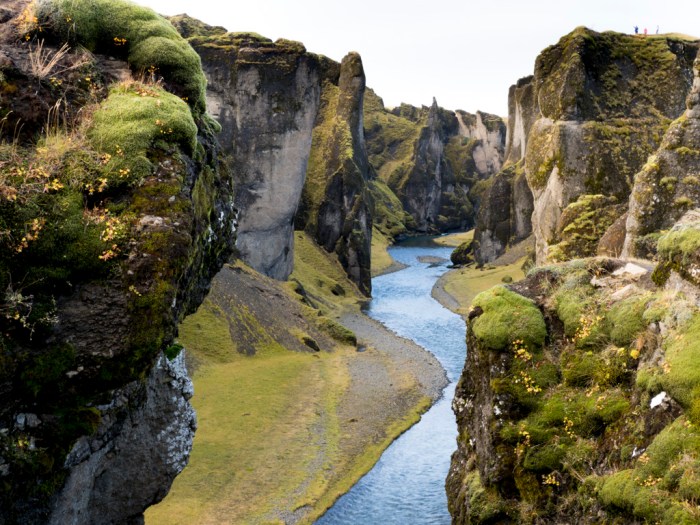
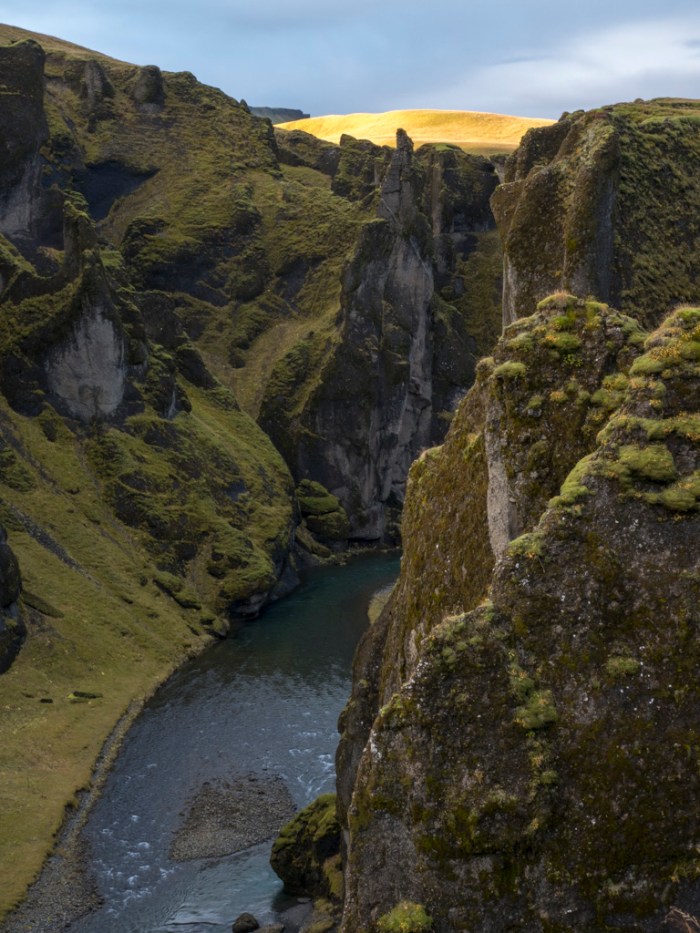
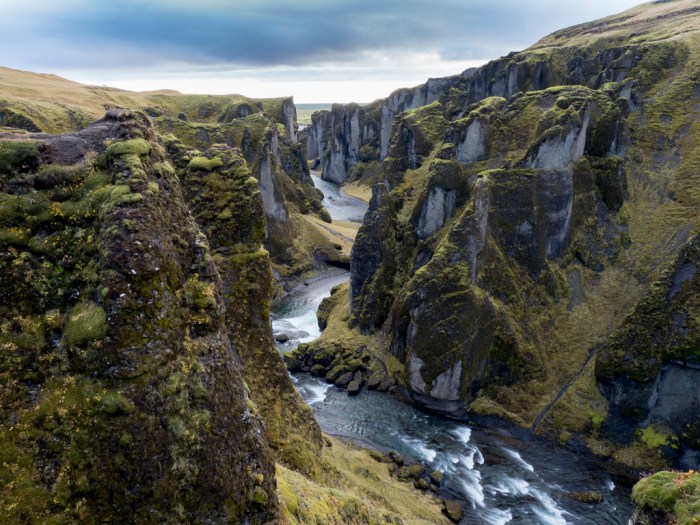
The canyon is beautiful. It’s so beautiful that some of the photos below don’t look real to me, but they are. I recommend walking all the way to the end to where the waterfall enters the canyon — there are some very nice views from artfully designed viewing platforms there.

fg-1

fg-2

fg-3

fg-4

fg-5

fg-6

This a site where the reaction to the increase in tourism in Iceland is evident. Much of the canyon rim is now roped off to keep people from walking out onto precipices for the biggest thrills and the best views. It’s clear from how worn those areas are that they have been very popular in the past. To be clear, the rope is low and unobtrusive — it suggests rather than forbids, so the views are still phenomenal. I don’t object to the restriction — I understand that crowds need to be controlled to prevent damage to tourist sites, especially in the south. But I regret it very much.

From here, I continued west to Hotel VOS for my final evening. I liked this hotel a lot. It seemed quite new and I was able to arrange in advance for a specially-cooked vegan dinner, which was delicious — it was an excellent way to spend the final evening of this trip to Iceland.

Proceed to Day 8.

Day Six: A Rainy Day in the South

Fosshotel_Vatnajokull__Höfn__Iceland_to_Hótel_Skaftafell__Iceland_-_Google_Maps[This post is part of a series documenting my last trip to Iceland in October 2017. The previous post is here and the next post is here.]

I didn’t plan to drive very much today because I wanted to spend the day shooting ice at Jökulsárlón and the black sand beach on the other side of the road. Unfortunately, the weather did not cooperate at all as both the rain and wind were heavy, with the wind sometimes making it difficult to stand up.

Nonetheless, I parked on the beach side of the Ring Road, took a few shots there and then wandered under the bridge to the lagoon itself where there was plenty of ice. Contrast was low and it was challenging to keep water off of my lenses.

d6-1

d6-2

d6-3

d6-4

I then headed west on the Ring Road to the lesser known Fjallsárlón — really just down the road a bit from Jökulsárlón. The water was very churned up and the weather continued to make interesting photographs a challenge. One thing that did surprise me was the nice, paved road that leads most of the way to the lake. Last time I visited, the place had been completely undeveloped. A new restaurant has been built there, but it was very disappointing in that the only vegan option I could find was an apple. 😦

fs-1.jpg

Before going to my hotel for the evening, I stopped at a favorite place — Svinafellsjökull, specifically the parking area just to the west of the outflow where you can walk to an overview of the glacier. I love that place!

sv-1.jpg

I finished my day at the nearby Hotel Skaftafell, which is located close to Skaftafell, a part of Vatnajökull National Park. The hotel is also directly across the street from a combination market / restaurant / gas station with restrooms as well. I always stop here because it is so conveniently located on the edge of Skeiðarársandur. I haven’t noticed vegan options on the restaurant menu, but this is my reliable Oreo refill stop. And I fill my water bottle there as well. From the tap. Remember, don’t buy bottled water in Iceland — you don’t need it.

I liked the hotel a lot. Nothing fancy, but comfortable. And they have a vegan chili! And because they have multiple vegans on staff, there were no fewer than three different alternative milks at breakfast.

Plus the view! But I didn’t really see that until the next morning…

Proceed to Day 7.


Day Five: North to East

Laxhús_to_Fosshotel_Vatnajokull__Höfn__Iceland_-_Google_Maps[This post is part of a series documenting my last trip to Iceland in October 2017. The previous post is here and the next post is here.]

I knew this was going to be a long day of driving and it was. It was also a day of snow, rain, mist, fog, night driving, and very hilly dirt roads as I made my way from the north, through the east, to my next lodging at Fosshotel Vatnajökull. Despite the length of the drive, I still made two side excursions — one to Dimmuborgir near Lake Myvatn in the north and the other to Tvísöngur to the east of Egilsstaðir.

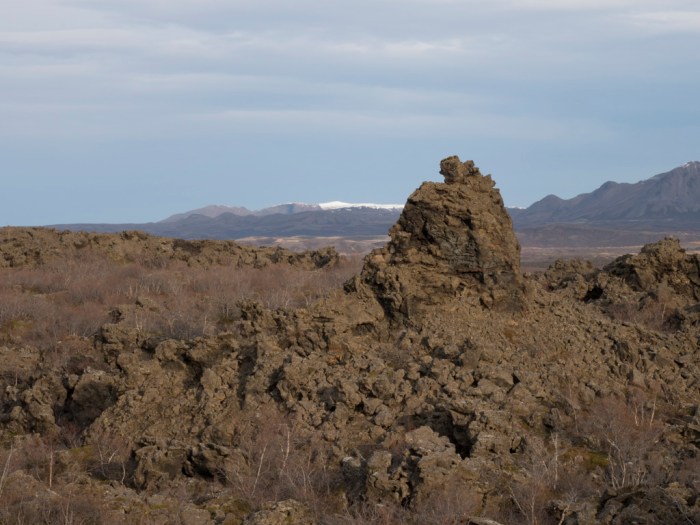
Dimmuborgir is a lava field next to Lake Myvatn that’s covered with large lava pillars and other formations. There are a variety of paths through the field that give you good views and a sense of the variety of the formations here. There are also good educational signs to explain how these features are thought to have formed — definitely of interest to the geologically-minded. I thought it was nice, but I’m surprised the Wikipedia article claims it is one of Iceland’s most popular tourist attractions.

d5-1

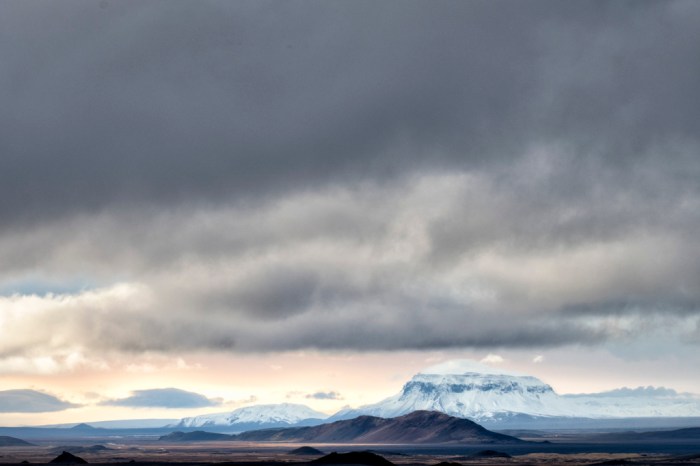
Continuing on, more of the kinds of vistas that keep bringing me back to Iceland.

d5-2

d5-3

Eventually, I reached Egilsstaðir, which I think is the biggest town in the east, where I was able to refuel and then start my second diversion to Tvísöngur, a sound sculpture on the slope above the fjord and town of Seyðisfjörður. Fun fact: I just realized that Seyðisfjörður  was the setting for the awesome Icelandic TV series Trapped.

I actually had a second reason for visiting Sejðisfjörður — Skaftfell Bistro, which is listed in Happy Cow as having vegan options. Much to my disappointment — I was very, very hungry — the bistro was closed for maintenance on the day I passed through. 😦

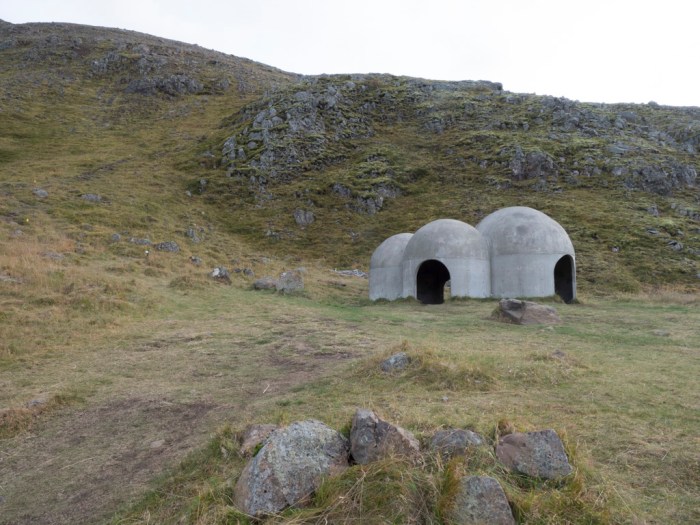
Tvísöngur, which for the musically-inclined means twin-singing, is shown below. For scale, the largest dome is about four meters high.

d5-5

Having no idea how to really “use” the sculpture and having absolutely zero musical ability (actually, can you have negative musical ability?), I tried making some noises with my throat while standing under each of the five domes. For someone who knows what they are doing, I’ll bet this can sound awesome, so go check it out. Anyway, with all fair warning here is what I sounded like — my apologies to the town of Seyðisfjöður!

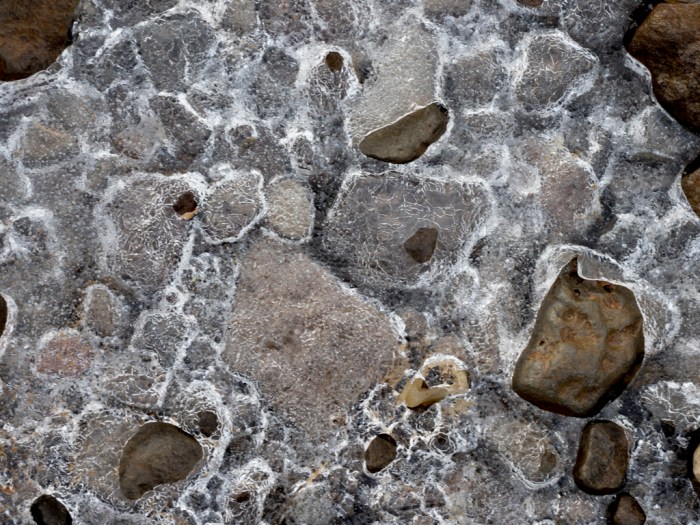
Some nice ice on the path from the parking lot to the sculpture.

d5-4

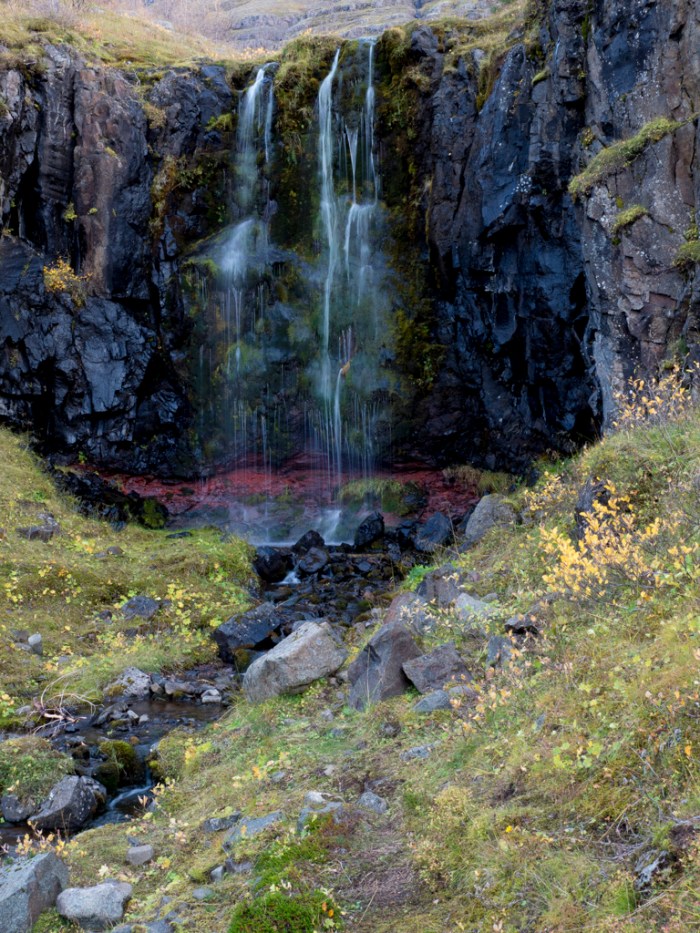
And an absolutely stunning little waterfall with an unusual outcropping of red stone nicely framed by moss just off the path. I’ll leave it to you to find this small gem — it is hidden in plain sight.

d5-6

As I headed back to the Ring Road, the light was beginning to fade and as I made my way onto the dirt section of the road while heading down towards the coast, the mists and rain closed in. It was long past dark by the time I arrived at the Fosshotel Vatnajökull — here are a few shots taken along the way.

d25-1

d25-2

Fosshotel Vatnajökull was weird. I’ve stayed there twice before and enjoyed it, but this time I wasn’t so happy. The staff is nice and they are able to make some kind of a vegan option for dinner if you ask and you can get by at breakfast as well, but I had issues with the room and the noise.

The room was designed differently than the ones I’d stayed in before. It had a kind of deconstructed bathroom in which the main room and the shower area were combined in a weird way, which I was mostly okay with, but it also included a section of the floor with radiant heating. The room was too warm for sleeping even with the radiator turned down and I couldn’t figure out how to turn off the floor heat. My only recourse was to open the window, which didn’t work because there was a party going on in a room beneath me and they had their window open as well. Not being able to sleep, I finally called the front desk like a crabby old man and asked them to at least ask the partygoers to close their window, which they did. The staff also explained how to turn off the floor, but I don’t remember the trick — I do remember that it was not obvious.

Dinner at the hotel and breakfast as well before continuing along the south coast the next day.

Proceed to Day 6.

Day Four: In the North

Laxhús_to_Dettifoss__Iceland_-_Google_Maps

[This post is part of a series documenting my last trip to Iceland in October 2017. The previous post is here and the next post is here.]

Today was my only full day in the north. I planned to spend the day seeing the sights in the Mývatn Lake area, staying for a second night at Laxhús. I stopped at the Mývatnsstofa Visitor Center  and got some great suggestions for places to visit. There is also a market in the same parking lot there — a good place to stock up!

I first drove to Víti Crater, after passing the Krafla geothermal power station. I decided not to hike the rim, though if you look closely on the right you can see someone doing so; it gives a good idea as to how massive this crater is.

vi-1.jpg

My next stop was Leirhnjúkur geothermal area, a very short drive from Víti. I really enjoyed this place, which was reachable from the parking lot via a wide walking path and a boardwalk. Along the way, I couldn’t help but notice some nice ice formations on the rocks and in pools by the side of the path.

cr1-1.jpg

st1-1.jpg

cr2-1.jpg

The trail through the active geothermal area is very worthwhile, with steam and unusual lava formations throughout. It’s an easy hike and not very long with some vistas of the area as well. It was also pretty quiet — only a few other people there and I was often alone on the walk.

lg-1.jpg

st2-1.jpg

ll-1.jpg

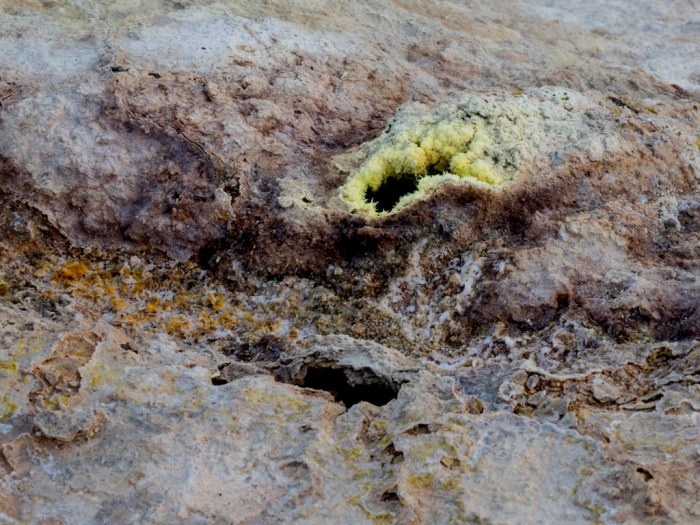
My next stop — Hveraröndor Hverir — was crowded, at least by comparison. This was a chance to see the Earth in action. Where Leirhnjúkur had steam drifting lazily over the landscape, here steam jets at high speed in plumes across the site and there are plenty of opportunities to see bubbling mud and brightly colored mineral deposits.

bm-1.jpg

bg-1.jpg

bg2-1.jpg

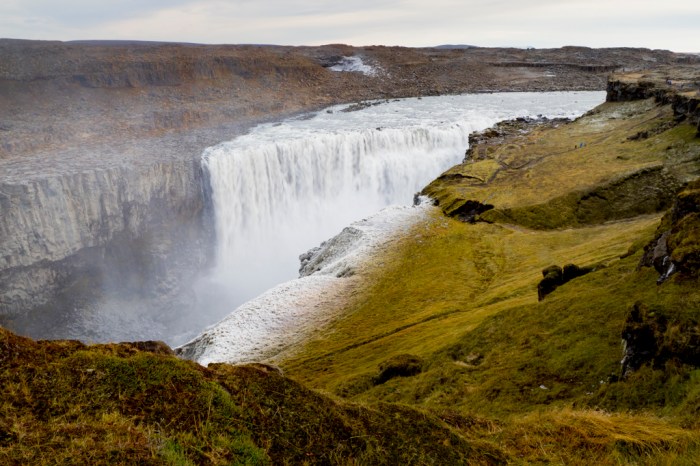
Despite the fact that it was now late in the afternoon, I decided to visit Dettifoss waterfall rather than waiting and stopping on my way east the next day. This turned out to be an excellent decision since I had scheduled myself a crazy drive for the following day and I had other side trips already planned.

The sun was low when I arrived at Dettifoss and there weren’t very many people there on the west side. The viewing platforms are nicely situated for good views of the falls and I didn’t bother walking the path to get a closer view. Again, for scale, you can see some people on the path at the upper right. It’s quite a large and powerful waterfall.

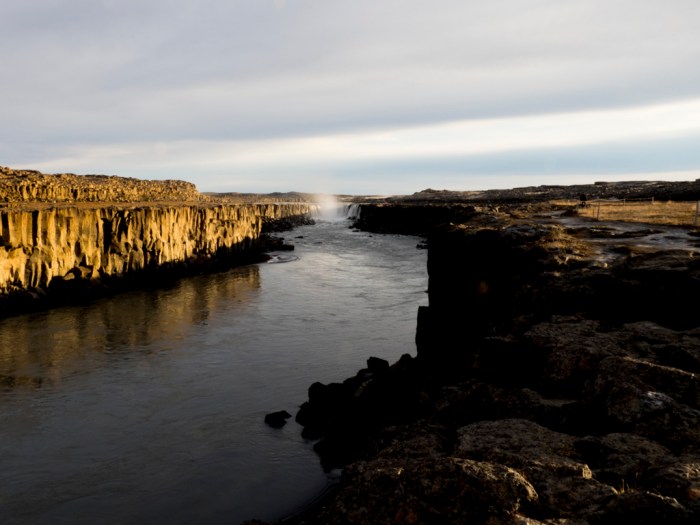
Selfoss, shown in the 2nd photo, is just upstream from Dettifoss.

df-1.jpg

sf-1.jpg

I stopped at the market on the way back to Laxhús and then headed back up Rt 87. As I drove, I passed several very large earthmoving vehicles loading dump trucks with soil from beside the road. Another case of different practices than we see in the US since there were no people directing traffic around the work — everyone simply did the responsible thing and it all worked out safely. Despite seeing all of this activity, I was still surprised as I crested another hill to see a very large dump truck drop its load right in the middle of the road and drive off. I was still wondering how I was supposed to proceed with this 3-4 foot barrier of black earth blocking my way when the blade of a bulldozer appeared from the other side. With a few passes, the material had been spread thin enough for me to proceed.

Dinner from supplies and overcast all evening, so no Northern Lights.

Proceed to Day 5.

Day Three: Northward Bound

Hotel_Ljósaland_to_Laxhús__Laxamyri__Iceland_-_Google_Maps

[This post is part of a series documenting my last trip to Iceland in October 2017. The previous post is here and the next post is here.]

I left Hotel Ljosaland in the Westfjords after breakfasting again from my supplies. Today I was bound for my next evening’s lodging at Laxhús near Húsavik in the North, a trip of about 250 miles or 400 kilometers. I had several stops planned and, as always, was on the lookout for scenic vistas of which there were plenty.

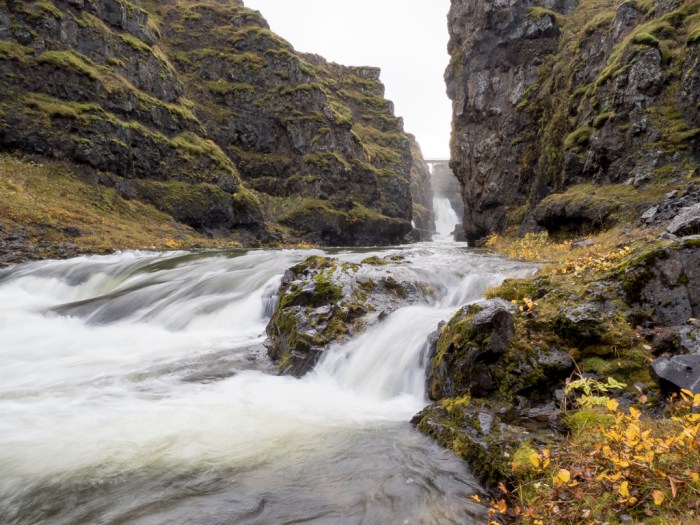
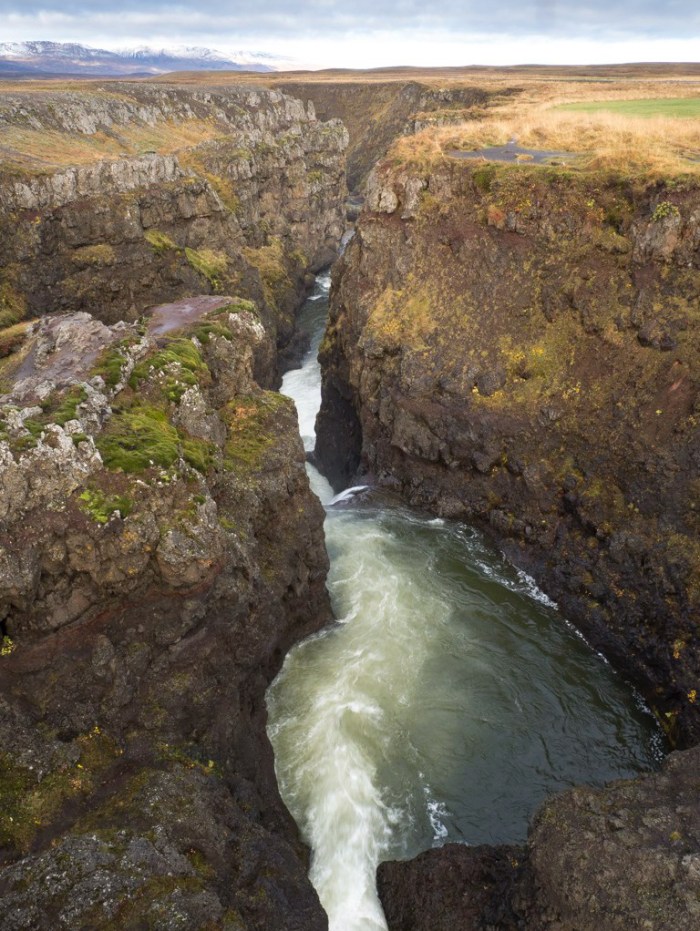
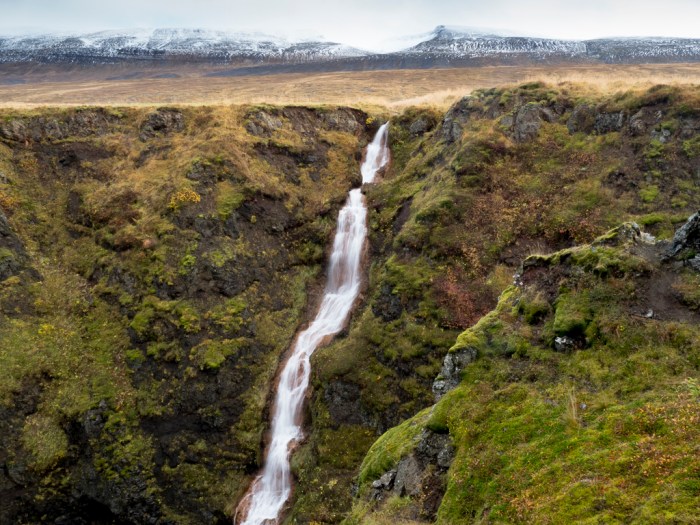
My first stop was at Kolugljúfur Gorge, which I recommend for the gorge and not for the waterfall. The waterfall is fine and it seems to be what most visitors focus their cameras on, but I found the gorge itself to be more interesting and more scenic. In the first shot below, the bridge and the main waterfall are behind me as we look downstream. The second shot was taken further downstream and shows a streamlet flowing into the gorge. Which brings me to my recommendation: Shoot the falls if you feel inclined, but find the marked break in the fence to the right on the far side of the bridge and take that short hike downstream — it has many interesting views of the river, the gorge, the bridge, and the falls. If you are so inclined, you can follow this path down to the bottom of the gorge to take some shots at river level. I would not try that last bit if there was snow or ice — it was a little tricky.
rf-1.jpg

rf-2.jpg

kg-1.jpg

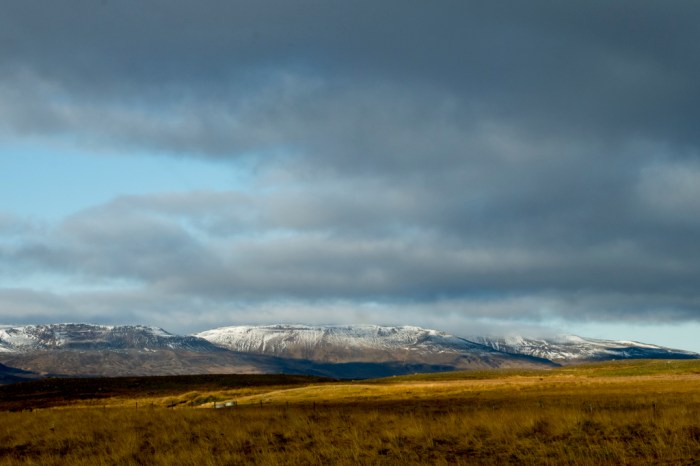
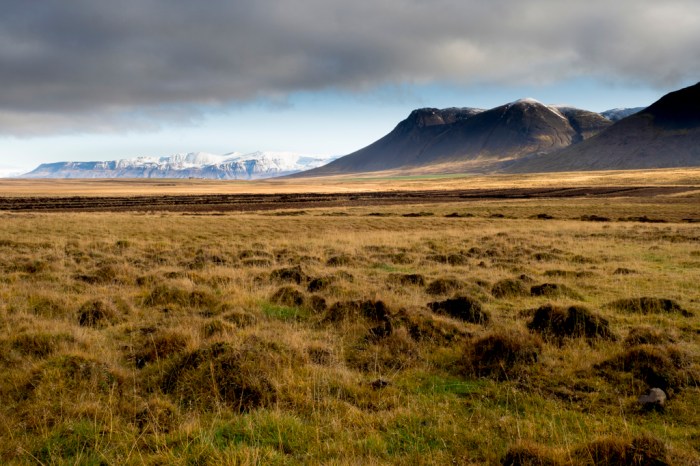
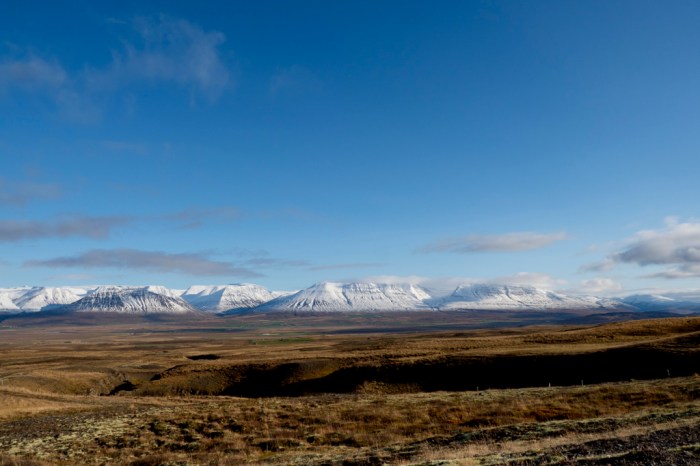
As I continued my drive, it became clear this was going to be a day of scenic vistas with distant mountains and beautiful light filtered through ever-changing clouds. If I hadn’t had so much ground to cover, I would have lingered longer in this area.
rs-1.jpg

rs-2.jpg

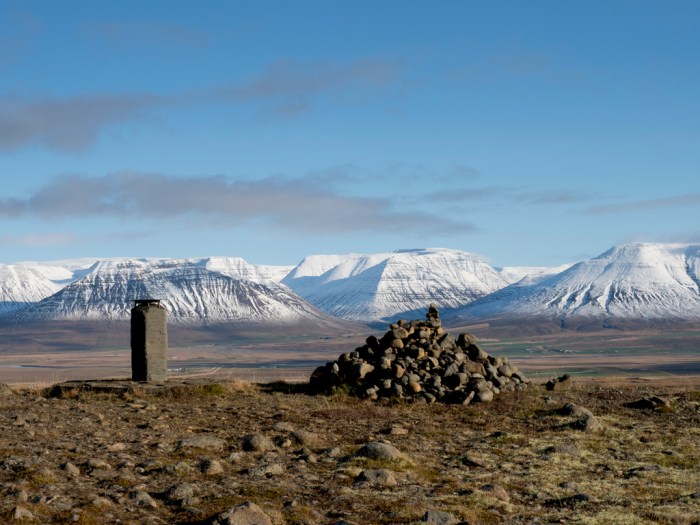
My next (quick) stop was at the Stephan Stephansson monument on the ring road near Varmahlið. Honestly, I just pulled over because of the unusual art, but didn’t find it all that interesting. However, immediately beyond the entrance to the monument is an entrance to another installation that I found more to my liking. I didn’t record any details about who erected it, but it is a summit indicator — a circular horizontal plate with the names and elevations of distant mountain peaks written around its edge. By lining up your eye with the vertical sight mounted in the middle of the plate, you can identify which peak you are looking at. There are peaks all around and so this is a wonderful tool for learning more about what you can see in the distance.
si-1.jpg

rs2-1.jpg

I stopped for a late lunch in Akureyri. Since this trip was all about experiencing Iceland in all of its natural glory, I didn’t spend much time in town. Just long enough to visit one restaurant with vegan options and to get a parking ticket. The restaurant was Hamborgarafabrikkan, which has labeled vegan options, something I always very much appreciate. It definitely wasn’t health food, but the burger was tasty and reasonably quick. See HappyCow for other options.

I found the parking ticket when I returned to my car, which I had parked in a lot near the restaurant. Since it was written mostly in Icelandic, I couldn’t read it. But I did keep it and at the end of the trip I gave the paperwork to the car rental company who then paid the ticket for me.

The ticket did include some information in English about getting a clock at gas stations or markets, but I didn’t understand it and the rental person said he wasn’t familiar with the system in Akureyri either so I have no guidance on how you might avoid such a parking ticket if you visit.

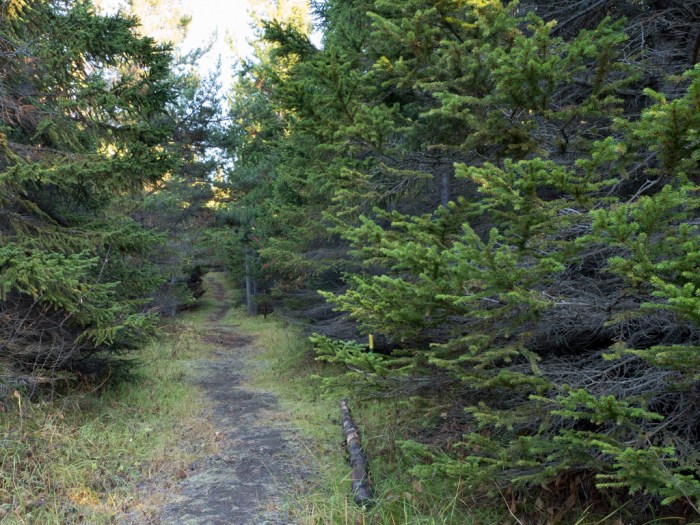
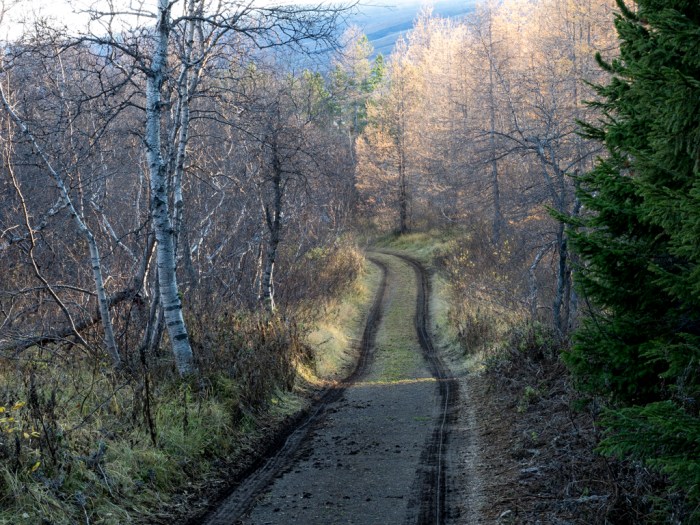
My next stop was Vaglaskógur Forest, the second largest forest in Iceland. It was completely empty when I arrived — no staff and no visitors. I went for a short walk to enjoy the trees, which are a somewhat unusual sight in Iceland, especially in large numbers. Lots of evergreen and birch trees and a very nice place to walk.

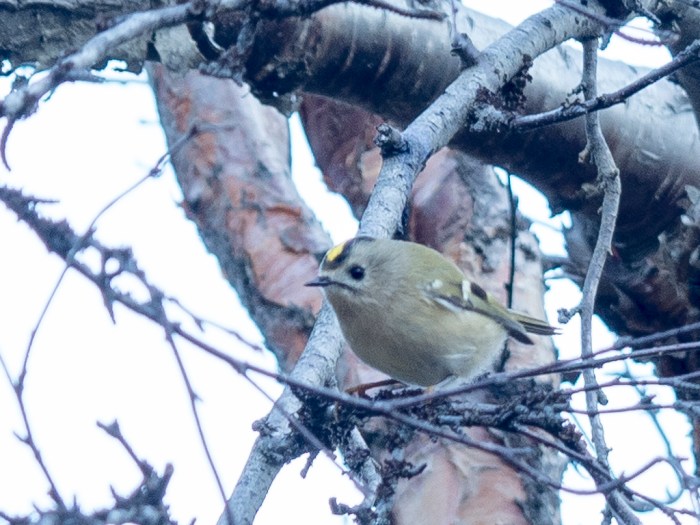
On my way back down the hill, I heard some twittering and finally spotted a small, fast-moving bird with my binoculars. With the light falling and without my tripod, I managed to get a passable, identification-quality photo (below). I’m pretty sure it is a Goldcrest, which I had never seen before. A nice bonus!
nf2-1.jpg

nf-1.jpg

gc-1.jpg

Next, I stopped at Goðafoss. It was getting late, I was very tired, the weather was not very good, and I was starting to suffer from waterfall overload (something I never thought could happen to me). For those reasons, I didn’t even bother shooting the falls — maybe next time. But I did see some Rock Ptarmigans on the rock face across from the parking lot. Bad light, but the shots were good enough for identification. Love those legs!
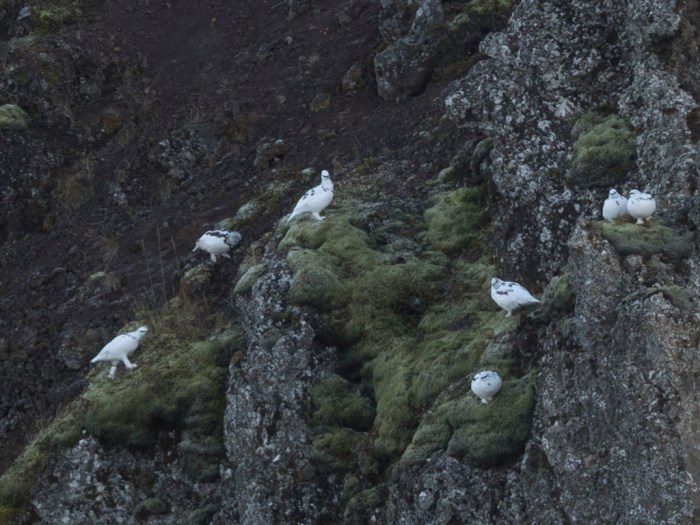
pt-1.jpg

My last stop was at Laxhús in Laxamýri —  about 28 miles from Akureyri —  my lodging for the next two nights. Laxhús has a small number (five?) of very modern, very compact, two-person cottages that are beautifully situated with a view to the north and the west. I was extremely lucky that the sky was clear on my first evening and I was able to see the Northern Lights. It was also crazy that I could shoot them from my private deck and then walk inside and quickly check on my laptop that the exposures looked okay before going back outside to continue shooting. Each cottage has a name and I recommend you ask for HÖFÐAGERÐI since it is the last cottage in the row and the most northern so you have the best view from your deck. I ate dinner from supplies since there was no food option at Laxhús.
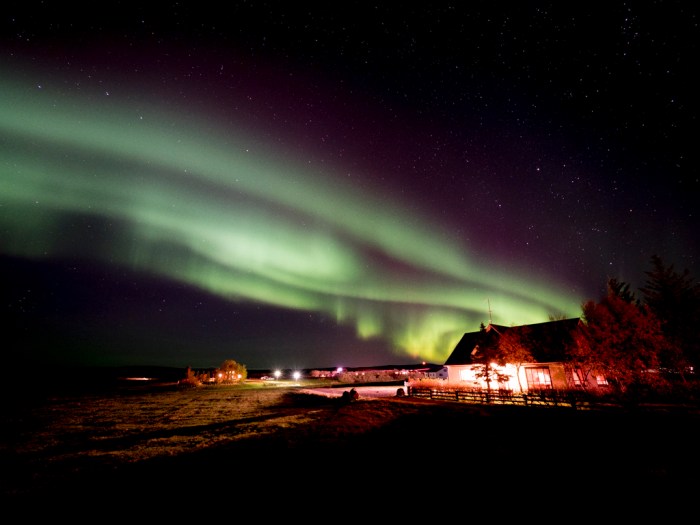
ab-1.jpg

Proceed to Day 4.

Day Two: Westfjords Excursion

Hotel_Ljósaland_to_Dynjandi__Iceland_-_Google_Maps

[This post is part of a series documenting my last trip to Iceland in October 2017. The previous post is here and the next post is here.]
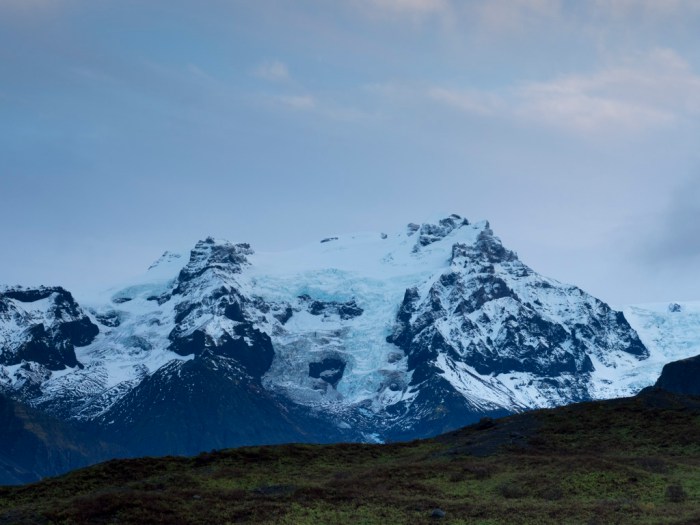
I planned my detour into the Westfjords to see  Dynjandi and so that was my destination on the second day. This was also the day I learned that I had asked probably the stupidest question imaginable of the hotel staff the previous evening. But we’ll get to that.

I started my morning with more left-over Sandholt bread (still fresh), augmented from my supplies with almond butter, a protein drink, and a few snacks. If you are vegan and traveling to the Westfjords, I’d recommend you assume you will only be eating from your supplies. You may find some place to eat (I didn’t), but I wouldn’t depend on it — at least in the area I visited.

Rather than heading directly to Dynjandi I decided to stop on the advice of the innkeeper at a nearby farm with three waterfalls. As I traveled along my first fjord on Rt 690, past Ólafsdalur, I came across two men with a 4×4 and enormous binoculars — sheep spotters, by what they said. When I asked whether it was possible to get closer to the waterfall I could see in the distance, they told me to drive up to the farm and then walk. I’m familiar with the concept of freedom to roambut this was the first time I had taken advantage of it to walk on what was clearly private land (I realize that some (many?) of the tourist attractions in Iceland are on private land as well, but this felt different since it was clearly not a tourist attraction) and I felt a bit uncomfortable. I drove up the driveway, parked in an open area at the top and then walked over a field to cross what I’d call an upland meadow, crisscrossed with hidden streams from three waterfalls. I hope I acted appropriately and didn’t break any rules — legal or cultural — in how I accessed this land.

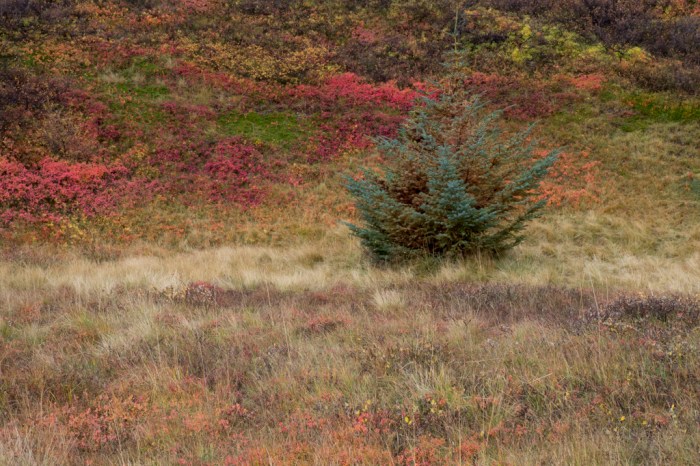
The meadow was beautiful with fall colors in the low plants — grasses, moss, and lichen of various types. I visited the largest (by volume) waterfall and enjoyed the scenic view from the top of the meadow overlooking the farm and fjord. Some photos below.

mm-1.jpg

gf-1.jpg

ff-1.jpg

fff-1.jpg

I spent several hours in this beautiful spot and then continued towards Dynjandi, stopping to take photos where it was safe to pull over. I learned a few important things on this first Westfjords drive. First, forget looking at a map to understand time and distance. The roads by necessity almost always follow the ins and outs of each fjord, which means it takes a deceptively long time to drive in this area. Second — and a mitigating factor  on the first issue — the roads are in excellent shape. They are a mix of paved road and gravel, but both are extremely well-maintained and the driving was enjoyable. I do recommend paying attention to the speed limit signs. Unlike the posted speed limits on smaller roads in the US, which almost always seem to be unreasonably low, these posted limits offer very good guidance on safe driving speeds. Ignore them at your peril, especially on steeply descending, curvy stretches.

Here are some additional shots taken on the way to Dynjandi. The weather was perfect for photography — a mix of partly sun, clouds, mist, and rain. As a card-carrying member of the Cloud Appreciation Society, I abhor a sunny, cloudless day. So boring.

rw-1.jpg

rw2-1.jpg

rw3-1.jpg

rw4-1.jpg

rw5-1.jpg

rw6-1.jpg

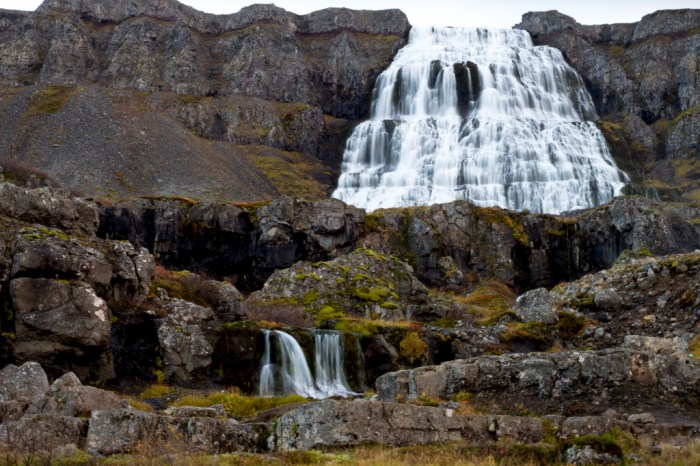
When I finally arrived at Dynjandi, it was late in the day with only a few cars in the parking lot. Shortly after I arrived, I was the only remaining car and so I don’t have anyone in my photos to show the scale of the waterfall, which totals about 300m in height.

dj-1.jpg

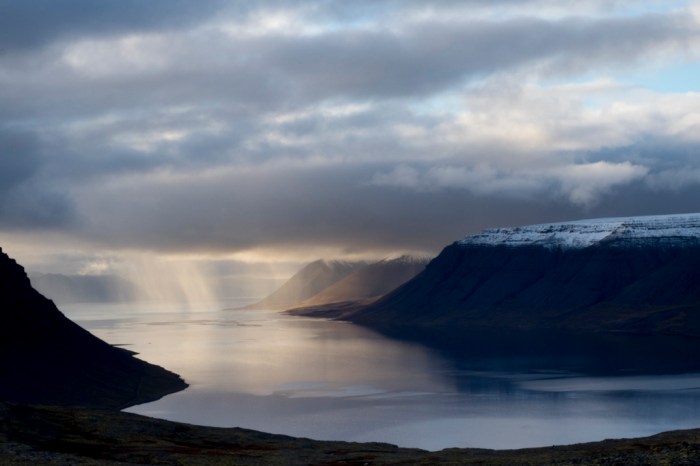
Honestly, while Dynjandi was pretty and impressive, the real beauty revealed itself when I turned around and saw this scene as the sun was setting:

dj2-1.jpg

Which brings me back to my stupid question of the previous evening. I had asked the innkeeper to recommend some scenic spots in the Westfjords. So dumb. From what I could see on this short detour, everything in the Westfjords is scenic and I look forward to exploring it more completely on a future trip.

Because I had spent so long at the farm in the morning, most of my drive back to the hotel was in darkness with glimpses of scenic vistas as the light departed.

wf-1.jpg

I had another salad at the hotel that evening and then awoke the next morning to return to the ring road and continue northward to Akureyri and beyond.

Proceed to Day Three.


Day One: KEF to Búðardalur

Keflavik_International_Airport_to_Hotel_Ljósaland_-_Google_Maps

[This post is part of a series documenting my last trip to Iceland in October 2017. The previous post is here and the next post is here.]
I landed at KEF at about 6:30am on October 14th, grabbed my bags and headed over to pick up my rental 4×4 at Blue. A rental car shuttle bus is now in operation, new since my last trip. This was the first of several (mostly) good changes I noticed throughout the trip.

I was pretty sleepy, not having gotten much rest of the flight, which made me a bit nervous because I had aggressively planned my first night’s stay in the Westfjords so I had a significant amount of driving to do. Miles to go before I sleep…

IMG_4152

First stop — Reykjavik. And first impression: Construction cranes all over the place and workers on the job early on a Saturday morning. It seems a construction boom is underway.

I parked on Hverfisgata, near Kaffi Vinyl (all vegan) and then walked up to Laugavegur to Sandholt Bakery where I can’t eat, but I do stop for bread on every trip. The bakery has been renovated since my last trip and it is even more inviting now.  I haven’t figured out how their bread stays usably fresh for several days (wax-paper bag?), but it does and it works nicely with the spreads I bring with me. After dozing in the car for a bit while waiting for Kaffi Vinyl to open, I had a pleasant light breakfast there and then hit the road.

On my way to Hraunfossar the car’s check engine light came on. Once I got to the falls and parked (no illegal parking fee collector accosted me), I called the rental agency to ask about the warning light. Try as I might I simply could not pronounce “Hraunfossar” well enough for the rental person to understand where I was — a very humbling experience. I tried “lava falls” as well, but that didn’t help. When I told him I was on my way to the Westfjords, he suggested I simply keep driving because the Dacia Duster apparently commonly has this warning light issue. As it turned out, the light stayed on for the entire trip, but I had no problems.

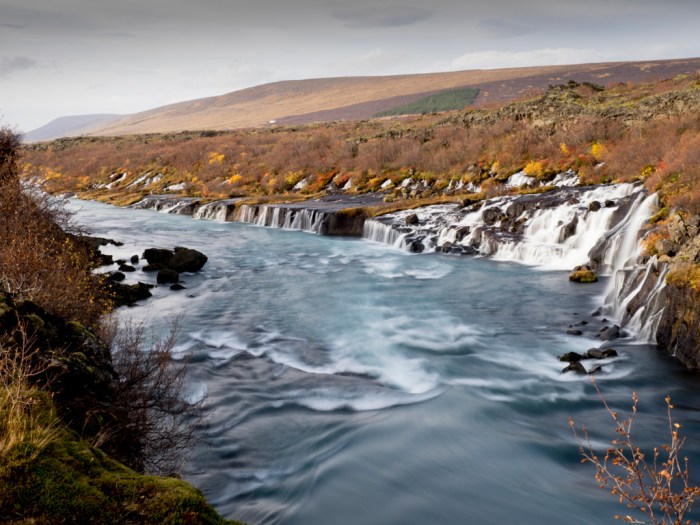
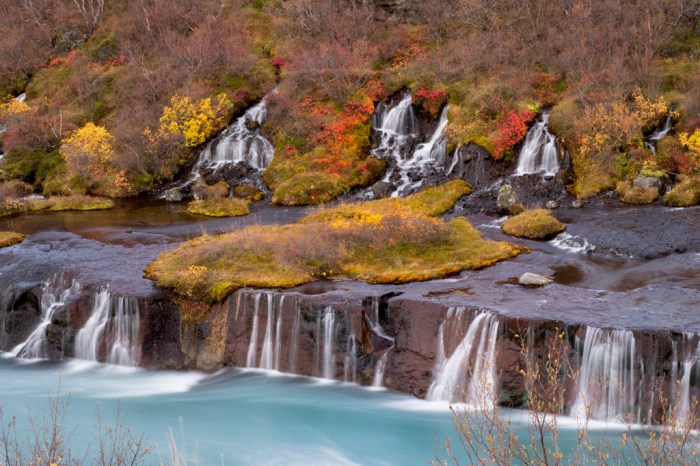
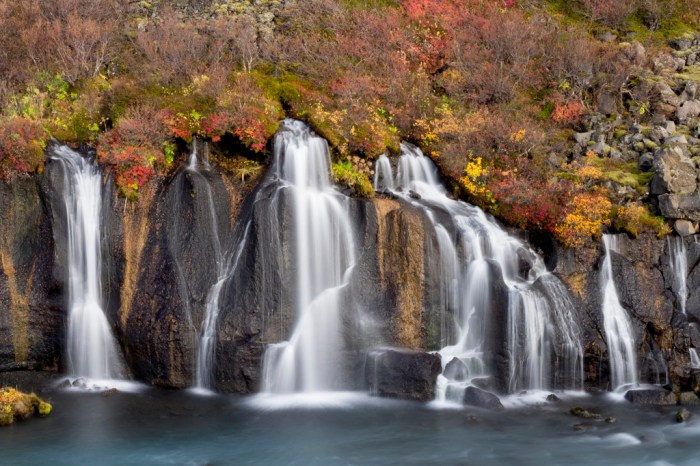
Hraunfossar was stunning. That, combined with the brisk temperature woke me up enough to spend some time there taking photos. This was my first exposure to Iceland’s beautiful autumn colors.

hf-1-2.jpg

hf-1.jpg

hf-2.jpg

Before leaving Hraunfossar I had another new Iceland experience — pay toilets. I certainly don’t have any objections to collecting fees to help with up-keep, and luckily I had some coins with me.

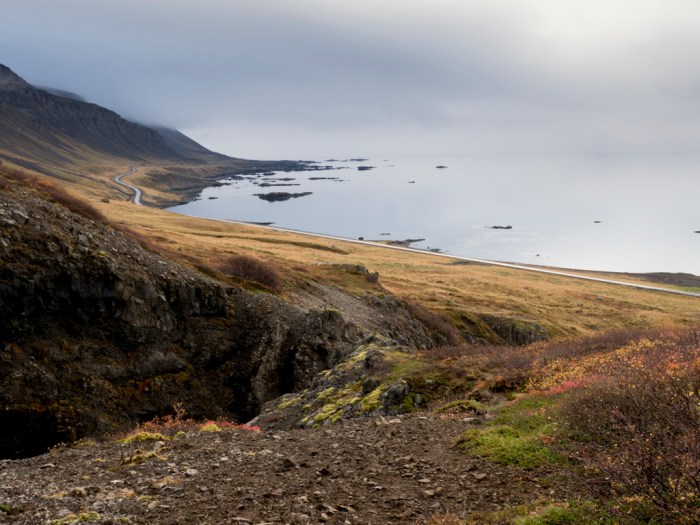
Here are a few shots I took between Hraufossar and my first night’s hotel. The first shows more of the colors of autumn and the second is of the volcanic mountain Baula, visible after the turnoff onto Rt 60.

rr-1.jpg

rm-1.jpg

I arrived at Hotel Ljósaland and was surprised that it seemed deserted. No cars in the parking lot, no lights, no activity at all. I was wondering if the hotel was out of business, as were other guests who had started to arrive. Eventually, the owner or innkeeper drove up and all was well. The workers were, in fact, at the hotel, but they were in the back room and apparently hadn’t noticed that anyone had arrived.

The hotel had a restaurant, but no vegan options. However, the owner/innkeeper/cook made me a very nice salad with nuts that I later complemented with some of the food I had brought with me from home. The hotel was clean and basic — configured as pairs of private bedrooms with baths sharing common living room areas.

I took the photo below a few miles from the hotel at a farm location recommended by the owner/innkeeper. It was a very, very long day, but it was good to be back in Iceland!

dd-1.jpg

Proceed to Day Two.

First Autumn Trip to Iceland

[This post is part of a series documenting my last trip to Iceland in October 2017. This is the first post and the next post is here.]
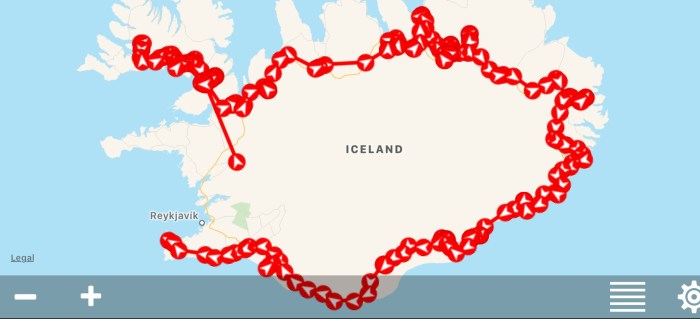
In October I visited Iceland for the fourth time — my first trip in the autumn. It was also the first time I traveled the entire ring road around the country, including a side trip to the West Fjords. Because I was traveling alone I carried a satellite transceiver in case I got myself into trouble in an area without cell coverage and needed help. As a side bonus, I was able to record my position every ten minutes (or so) FullSizeRenderto document where I’d visited. I didn’t realize immediately that I should leave the device sitting on the car’s dashboard to ensure it was getting a good satellite lock, which is why the chart doesn’t show any points at the start of my trip.

I spent a week on this trip, mostly just taking photos. And driving. Lots and lots of driving. I spent more time in the West and North since those were new areas for me, but I did make some stops in the South as well.
Rather than writing one enormous post, I plan to cover each day separately, sharing thoughts and photos along the way.

Proceed to Day 1.

Ice Cave Tours

OLYMPUS DIGITAL CAMERA

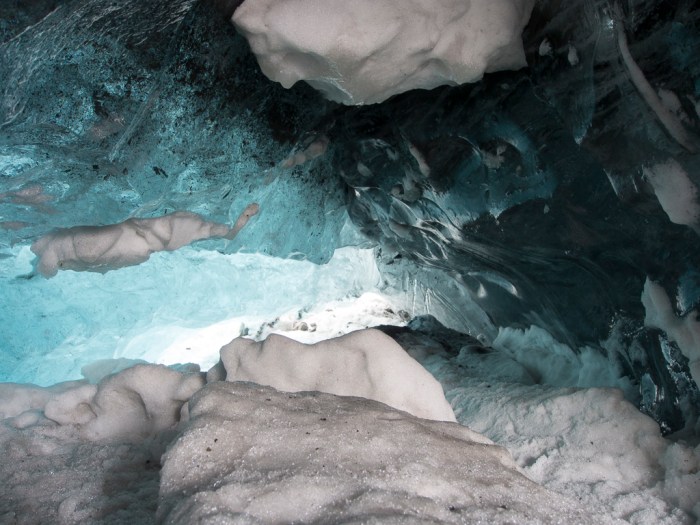
Visiting ice caves under glaciers is a popular activity in Iceland and there are several companies offering such tours. I’ve only done one such tour and so am not in a position to recommend one provider over another. My tour happened to be with Glacier Guides, which I chose solely due to availability based on my schedule. Note that these tours are often filled well in advance so be sure to make arrangements when booking other aspects of your itinerary before you travel.

I’ve learned that there are two kinds of caves you might visit — light and dark. A light cave is one with ice on top that glows with that unbelievably blue color you’ve undoubtedly seen many times — that’s why you are taking the tour, right? Dark caves, by contrast, have ash and other glacial sediments piled on top and the insides of these caves are — dark.

Which kind(s) of caves you will visit depends on what caves the guides have managed to locate and which of those can be reached by your average tourist. (Note that I am not talking here about private tours, which may make a wider array of options available.) You may be lucky and visit when some awesome cave is available and safe, but don’t count on it.

I learned the hard way that when you check in for your tour and are issued crampons, helmet, ice-axe, etc., you should ask the guides to describe in the detail the caves you will be visiting that day. Why? So you don’t lug unnecessary gear that won’t be usable on the glacier. For example, last week our tour visited a tiny ice tunnel (bluish), a small (on your hands and knees) light cave, and a less small (but still hunched over) dark cave. My Pentax 645Z medium format camera and tripod were completely useless on this trip and I wish I had left them in the Land Rover rather than humping them up the glacier. By contrast, my Olympus Micro Four Thirds camera was perfect.

Also, something to keep in mind about Glacier Guides ice cave tours at Skaftafell — they guide on the glacial tongue Fjallsjökull and due to the glacier receding over time, one needs to walk over a mile from the bus to reach the base of the glacier, which is why it pays to leave unnecessary weight behind.


Welcome to IOMM

I just returned to Boston from my third trip to Iceland and realized that I have information in my brain that might be useful to others planning similar self-guided trips. I’m certainly not an expert on Iceland, but I’ve learned some do’s and don’ts that I plan to cover in future blog entries. And, as a vegan, there are special challenges I also plan to discuss, including providing information about food options at hotels and restaurants that I’ve visited.

I’ve been bitten by the Iceland bug and hope you will be as well. Iceland is an awesomely beautiful place to visit and my mission is to increase your enjoyment through my future posts.